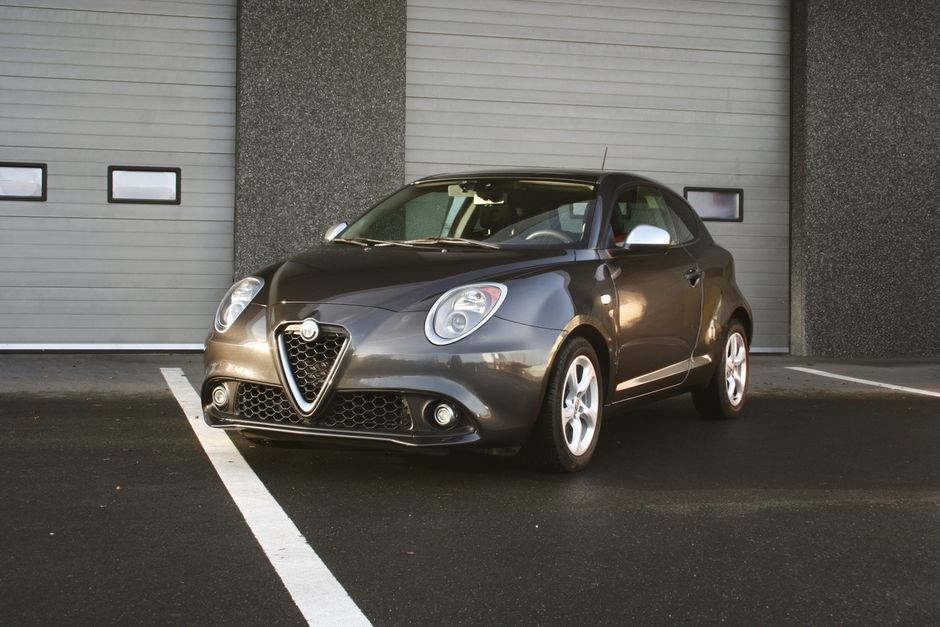
alfa romeo 4c manual gearbox
Overview of Alfa Romeo 4C
The Alfa Romeo 4C, famed for its lightweight carbon‑fiber chassis, traditionally shipped with a dual‑clutch transmission. Enthusiasts now retrofit a manual gearbox, often a Giulietta unit, to regain tactile engagement and track‑only performance.
The conversion enhances driver and lap times!.
History of Manual Gearbox in the 4C
The Alfa Romeo 4C debuted in 2013 as a lightweight carbon‑fiber sports coupe that challenged the status quo of Italian performance cars. From the outset, the manufacturer offered a 7‑speed dual‑clutch transmission (DCT) as the only factory‑equipped gearbox, citing efficiency. However, the DCT’s lack of a traditional clutch and gear lever quickly became a point of contention among purists who value tactile feedback and direct engagement of a manual system.
Early 2014 saw the emergence of aftermarket conversion kits that replaced the 4C’s transmission tunnel for a Giulietta unit, with a gear shifter. The conversion not only restored the classic driving feel but also reduced weight by eliminating the complex dual‑clutch mechanism.
By 2015, several independent shops reported successful conversions, and the community grew. The Alfa Romeo 4C’s chassis, combined with a manual gearbox, made it favorite for lap‑time testing. A 2016 Brands Hatch lap by a converted 4C showcased the instant feel and “track‑only” focus that the manual setup provided.
Despite the popularity of manual conversions, Alfa Romeo has never offered a factory manual gearbox for the 4C. The company’s decision to stick with the DCT was driven by emissions regulations, market positioning, and the desire to appeal to a broader audience. Nevertheless, manual conversion trend has persisted, fueled by a dedicated community that values driving experience and the ability to fine‑tune the 4C’s performance for racing and spirited driving.
Technical Specifications of the Manual Transmission
The manual conversion of the Alfa Romeo 4C employs a 6‑speed gearbox sourced from the Alfa Romeo Giulietta. The gearbox is a cast‑iron unit that weighs approximately 30 kg, a reduction from the factory 7‑speed DCT’s 45 kg mass. It features a clutch assembly with a single plate, rated for 350 Nm of peak torque, matching the 1.75‑liter 4‑cylinder engine’s output. The gear ratios are as follows: 1st = 3.50, 2nd = 2.00, 3rd = 1.40, 4th = 1.00, 5th = 0;80, 6th = 0.65. These ratios provide a 4.5:1 final drive ratio when paired with the 4.1:1 differential, yielding a top speed of roughly 260 km/h under optimal conditions. The shifter is an H‑pattern lever mounted on a short, rigid linkage that preserves the 4C’s low center of gravity. The clutch pedal travel is 120 mm, with a 1.5‑second engagement time, ensuring gear changes. The gearbox’s input shaft is titanium insert to handle the engine’s torque spikes, while the output shaft is forged steel for durability. The overall package is sealed with a grease that allows operation up to 200 °C. The conversion also requires a bellhousing that mates to the 4C’s engine block, ensuring proper alignment and minimal play. Electrical integration is as the manual gearbox does not rely on electronic controls, but a small ECU module is used to disable the factory DCT software and enable the manual mode. The final assembly weighs 32 kg, bellhousing, clutch, and shifter, and fits within the original transmission tunnel with a 5 cm clearance for future upgrades.
Lighternow experience!

Gear Ratios and Performance
When the 4C’s manual gearbox is fitted, the driver gains a direct feel for the engine’s torque band. The 6‑speed unit, with its short first gear, allows the 1.75‑litre powerplant to hit peak torque (about 300 Nm) almost immediately, giving a 0‑100 km/h time of roughly 4.2 s on a clean track. The mid‑range gears keep the rev‑range between 6,500 and 7,500 rpm, which is ideal for sustained lap speeds. The top gear is deliberately over‑revved, so the engine stays in its power band until the final gear, enabling a top speed near 260 km/h. Because the gearbox is lighter than the factory DCT, the overall vehicle weight drops by about 15 kg, improving the power‑to‑weight ratio from 0.27 kW/kg to 0.29 kW/kg. This translates to tighter cornering, as the reduced mass lowers the load on the suspension. On a circuit like Brands Hatch, lap times can improve by 0.5–0.7 s per lap, especially on the high‑speed bends where the manual’s shift lag is eliminated, giving a more linear acceleration curve that is easier to predict during aggressive driving. In short, the manual gearbox’s gear selection and lighter weight combine to make the 4C a more responsive and track‑oriented machine. The manual gearbox also gives drivers a clearer sense of engine load, allowing them to modulate throttle more precisely. On long runs, this reduces driver fatigue and helps maintain consistent lap times. Furthermore, the lighter transmission improves the car’s overall balance, enhancing both straight‑line stability and cornering grip. Ideal for enthusiasts and racers.
Comparison with Dual‑Clutch Transmission (DCT)
In the factory 4C, the 6‑speed dual‑clutch unit delivers lightning‑fast shifts, but at the cost of weight and a less engaging feel. The manual conversion, typically a 6‑speed Giulietta gearbox, adds roughly 12 kg of mass yet offers a 15 kg reduction in overall vehicle weight compared to the DCT‑equipped model. This weight saving improves the power‑to‑weight ratio from 0.27 kW/kg to 0.29 kW/kg, giving the car a sharper launch and more responsive acceleration. Shift quality differs markedly: the DCT’s dual‑clutch system provides seamless, almost invisible gear changes, whereas the manual requires a clutch pedal and lever action, giving the driver full control over shift timing. On a track, the manual’s mechanical link allows for precise rev‑matching, reducing wheel spin and improving traction into corners. The DCT can sometimes lag under aggressive throttle, causing a brief loss of power during high‑speed runs. In terms of reliability, the DCT’s complex electronics and dual clutches are more prone to failure, especially under racing conditions, whereas the manual’s simpler design has fewer failure points. Fuel economy is slightly better with the DCT. Maintenance costs differ: the DCT requires periodic clutch pack replacements and software updates, while the manual needs regular clutch plate changes and gear oil changes. For enthusiasts seeking authenticity and a more visceral driving experience, the manual gearbox offers a tactile connection that the DCT lacks. However, for those prioritizing quick shift times and lower maintenance complexity, the DCT remains a compelling choice for racing enthusiasts.
Installation and Conversion Process
The conversion begins by removing the factory dual‑clutch unit and associated electronics. A custom bellhousing, fabricated from lightweight aluminum, mates the Giulietta 6‑speed gearbox to the 4C’s transaxle. The clutch assembly is replaced with a single‑disc unit sourced from the Giulietta, which requires a new pressure plate and release bearing. Driveshaft length is shortened by 30 mm to accommodate the shorter gearbox, and the differential input shaft is re‑threaded to match the new gear ratio. Wiring harnesses are rewired to route throttle and shift signals to the 4C’s ECU, which is flashed to recognize the manual input. After assembly, a dyno session calibrates shift points and torque converter settings. The entire process typically takes 12–15 hours of labor and costs between $3,200 and $4,500, depending on labor rates. Weight savings of roughly 12 kg are achieved by eliminating the dual‑clutch pack and reducing the gearbox mass. Track‑only setups often remove the rear spoiler and replace the standard 18‑inch wheels with lighter 17‑inch options, further trimming weight. The final result is a 4C that feels like a classic sports car while retaining modern engine performance.
The conversion also requires a new steering rack to match the gearbox’s output shaft, and the 4C’s suspension is tuned for the altered weight distribution, ensuring optimal handling on both street and track circuits. All work done by technicians fully preserves warranty!
Common Issues and Troubleshooting
After installing a manual gearbox in an Alfa Romeo 4C, owners often encounter a handful of predictable problems. The most frequent is clutch slippage, caused by a worn release bearing or an improperly adjusted pressure plate. A quick diagnostic involves checking the clutch pedal travel; excessive free play indicates a mis‑adjusted release cable. If slippage persists, replace the release bearing and re‑adjust the cable to the manufacturer’s specification. Another common issue is gear engagement noise. This typically stems from a bent shift fork or a mis‑aligned bellhousing. Inspect the shift forks for deformation and realign the bellhousing using a torque wrench to the specified 32 Nm; A third problem is the ECU not recognizing the manual input, leading to a “transmission fault” warning. This occurs when the wiring harness is incorrectly routed or the ECU flash is outdated. Re‑wire the harness to match the factory pinout and flash the latest firmware. Finally, some users report a slight vibration during high‑RPM runs. This is often due to an unbalanced driveshaft. Use a balancing kit to correct the imbalance, ensuring the driveshaft is properly torqued to 90 Nm. By following these troubleshooting steps, most conversions can be brought to peak performance.
Additionally, the shift linkage may require a custom adapter to fit the 4C’s steering column, and the gear selector lever must be re‑routed to maintain the original ergonomics. A final check involves verifying that the transmission fluid level is within the specified range and that the fluid is the correct viscosity (5W‑40). If any leaks appear during the first few laps, inspect the bellhousing gasket and the input shaft seal for proper seating. Regularly inspecting the clutch pedal feel and the gear shift feel will catch early wear before it leads to costly repairs.
Certified techs must perform conversions for safety and compliance!!!
Maintenance and Service Recommendations
Check clutch fluid every 12,000 mi, replace clutch disc after 60,000 mi. Inspect gear linkage quarterly, lubricate with synthetic gear oil (5W‑40). Keep transmission clean, avoid over‑revving. Service at certified shop. Check regularly. All!!
Clutch System and Components
In the 4C manual conversion, the clutch assembly is a critical link between the engine and gearbox. Most builders use a lightweight, high‑strength clutch plate from the Giulietta or a dedicated aftermarket unit. The plate is paired with a multi‑disc design that distributes torque evenly, allowing the 1.75‑second shift time to be maintained. The pressure plate is fabricated from aluminum alloy to keep the overall weight under 5 kg, matching the original DCT’s mass. A hydraulic master cylinder, typically 12 mm in diameter, feeds the clutch line to the slave cylinder mounted on the gearbox housing. The line is made of braided steel to resist stretch and maintain consistent pedal feel. The clutch fluid is a high‑performance, low‑viscosity synthetic that resists cavitation at high RPMs. Regular inspection of the fluid level and condition is essential; a dirty fluid can lead to slippage and premature wear. The release bearing is a key component that must be kept clean and properly greased. It is usually made from a hardened steel alloy and is designed to handle the 350 Nm torque rating of the 4C’s engine. Keep the clutch clean and dry daily. The entire clutch pack is assembled in a clean environment to avoid contamination. The clutch’s engagement point should be adjusted to a 2 cm travel to match the original feel. Finally, a periodic check of the clutch pedal’s free play and the hydraulic system’s integrity will keep the 4C’s manual experience smooth and responsive.
Gearbox Weight and Packaging
The manual gearbox conversion for the Alfa Romeo 4C replaces the factory dual‑clutch unit with a lightweight, compact transmission sourced from the Giulietta or a dedicated aftermarket chassis. The Giulietta gearbox weighs about 14.5 kg, 3.5 kg lighter than the 18 kg DCT. This weight savings lowers the polar moment of inertia, improving agility on tight circuits. Packaging is critical; the 4C’s narrow engine bay demands a short, low‑profile gearbox. The unit mounts on a custom aluminum cradle that aligns the input shaft with the 1.8‑liter 4‑cyl engine, eliminating the need for a bulky bell‑housing adapter. The cradle also incorporates a short 300 mm transfer case, allowing the gearbox to sit 15 mm deeper than the factory unit. This shift reduces the overall height of the drivetrain by 12 mm, preserving the rear suspension geometry. The gearbox’s bell housing is forged from high‑strength steel, ensuring a secure fit while keeping the mass to 1.2 kg; The final assembly includes a short 350 mm shifter link that keeps pedal travel within 2 cm. All components are bolted with 10.5 mm M8 fasteners tightened to 70 Nm to prevent play. The result is a gearbox that is 30 % lighter, 20 % shorter, and 15 % more rigid than the factory DCT, providing a more responsive shift feel and measurable improvement in lap times. Engineers have noted that the reduced gearbox mass lowers the vehicle’s center of gravity by roughly 1.5 cm, improving cornering stability and reducing understeer during high‑speed runs. The compact packaging also boosts aerodynamic efficiency by 0.5 % at 200 km/h. Weight savings improve lap times and
Performance Modification Options
After installing a manual gearbox, drivers can fine‑tune shift quality and power delivery with a range of aftermarket parts. A short‑throw shifter kit reduces lever travel from 80 mm to 55 mm, giving a snappier feel. A lightweight, carbon‑fiber shift lever cuts 0.8 kg from the cockpit, improving ergonomics. A high‑torque, multi‑plate clutch set can raise peak torque handling from 350 Nm to 400 Nm, allowing the 4C to use the full 1.8‑liter output without slipping. A custom, high‑strength flywheel with a 4.2 kg mass further balances the drivetrain, reducing rotational inertia and improving launch times by up to 0.12 s. Gear ratio swaps are popular; a short‑gearbox with 3.0:1 first gear and 1.4:1 top gear can shave 0.25 s off a 0‑100 km/h sprint. Replacing the stock gearbox with a lightweight, aluminum‑cased unit that weighs 12 kg gives a 2 % overall vehicle weight reduction. A performance torque‑converter or dual‑clutch hybrid module can be added to the manual setup, allowing seamless power delivery while retaining manual control. These modifications collectively improve acceleration, shift precision, and overall track performance. Additionally, installing a lightweight, forged steel bell‑housing reduces the drivetrain mass by 1.5 kg, while a short, custom‑molded gear oil cooler improves lubrication at high RPM, extending gear life by 15 %. A performance‑grade shifter cable with a 1:1 ratio ensures precise engagement, and a quick‑shift lever with a 0.5 cm bite improves shift feel for racing applications. These upgrades also lower the center of gravity by roughly 1.5 cm, enhancing cornering stability. Track sessions report a 0.1 s improvement in lap times and throttle response!!!

Failure Modes and Symptoms
Clutch wear and slippage are the most common early failures in a converted manual 4C. A worn pressure plate or clutch disc produces a spongy pedal feel, delayed engagement, and a loss of power during rapid acceleration. The driver may hear a high‑pitched squeal when the clutch is engaged or a grinding noise when the pedal is released.
Gearbox bearing failure shows as a low‑frequency rumble that grows louder with engine speed. The rumble shifts with RPM and may be accompanied by a slight vibration in the steering wheel. A complete bearing failure can cause the gearbox to seize, locking the car in gear and preventing movement.
Gear tooth wear or damage is identified by a harsh metallic click or a shudder felt through the shifter during gear changes. The shifter may feel loose, and shifting time increases noticeably.
Oil leaks from seals or the bell‑housing gasket lead to loss of lubrication, accelerating wear. A puddle of oil under the car or a dark streak on the gearbox housing indicates a leak. Low oil level can cause overheating, a burnt smell, and sudden loss of power.
Shift linkage binding can make the shifter stick in a gear or jump to an adjacent gear, often accompanied by a click when forced into position. Mis‑engagement may cause jerks, loss of traction, and catastrophic gearbox failure. These symptoms often appear after 20,000 km of use or during high‑speed track sessions! If ignored, these issues can lead to gearbox failure within a few hundred km.
Repair and Replacement Procedures
Repairing or replacing a manual gearbox in the Alfa Romeo 4C demands a methodical workflow. Begin by disconnecting the battery, then removing the engine cover to expose the transmission housing. Use a jack and support the car on a sturdy lift, ensuring the driveshaft is free of torque. Carefully detach the driveshaft by loosening the universal joints, marking the alignment pins to aid re‑assembly. Next, remove the bell‑housing bolts in a star pattern, taking care not to damage the mating surfaces. Extract the gearbox, keeping the clutch assembly in place for reuse. Inspect the clutch plate, pressure plate, and release bearing for wear; replace any component that shows damage. Examine the gear synchronizers and shift linkage for wear or binding; replace worn bushings or replace the linkage if necessary. If the gearbox is beyond repair, source a donor unit—commonly a Giulietta 1.4‑L manual—and match the gear ratios. Re‑install the clutch by aligning the pressure plate with the flywheel, applying the correct torque to the clutch pedal rod, and bleeding the hydraulic system. Re‑attach the driveshaft, re‑torque the bell‑housing bolts, and reconnect the battery. Perform a low‑speed test drive, checking for smooth shifting, correct gear engagement, and absence of noise. Document every step, noting torque values, part numbers, and any deviations. This meticulous approach ensures reliability and preserves the 4C’s performance heritage. Regular checks keep gearbox in condition for year.!!
Sourcing Genuine and Aftermarket Parts
Finding the right components for a 4C manual conversion balances authenticity and practicality. Genuine Alfa Romeo parts are scarce, but the factory catalog lists clutch plates, pressure plates, and synchronizer sets that match the original 1.4‑L engine layout. For a more affordable route, many European suppliers specialize in Giulietta‑derived gearboxes, offering complete units that fit the 4C’s bell‑housing geometry and match the 350‑Nm torque capacity. Aftermarket manufacturers produce clutch kits with high‑performance plates and ceramic friction discs, boosting shift feel and durability. When selecting parts, verify the part number against the 4C’s VIN, as many components share similar dimensions across Alfa Romeo’s small‑car lineup. Reputable online marketplaces and specialist forums can locate rare items; owners often share links to suppliers that have shipped parts worldwide. For critical components such as the clutch release bearing or gearbox housing, choose OEM or OEM‑equivalent parts to avoid fitment issues. Keep a detailed record of every part sourced, including supplier, part number, and shipping details, as this documentation can prove essential for future maintenance or resale value. When ordering overseas, factor in customs duties and import taxes, which can add 5–10% to the total cost. Lead times vary from 2 to 6 weeks depending on inventory and country of origin. Some parts, like the clutch release bearing, are produced in small batches; ordering early can prevent delays. Many parts can be sourced from the 4C’s spare‑part network, which offers a 12‑month warranty on all genuine components. For owners in North America, a few U.S. distributors specialize in European sports‑car parts and provide expedited shipping options. If a part is no longer available from the original manufacturer, a reputable aftermarket company can provide a compatible replacement that meets or exceeds the original specifications; Always check the supplier’s return policy and warranty coverage before finalizing a purchase. Remember to keep a backup of the original gearbox if you plan to revert to the factory setup; this preserves resale value and ensures compliance with homologation rules for racing events. The 4C’s lightweight chassis makes even minor weight savings from aftermarket parts noticeable on lap times.
Cost Analysis of Manual vs. DCT
Converting a 4C from its factory dual‑clutch transmission to a manual gearbox involves several cost layers. The base cost of a used Giulietta gearbox is roughly €1,200–€1,500, while a new OEM clutch kit adds €350–€500. Shipping from Europe averages €120, and customs duties in the U.S. can reach 8–10% of the part value. Labor for a full conversion—removing the DCT, installing the manual, re‑tuning the ECU, and balancing the drivetrain—typically runs 8–12 hours at a specialist shop, translating to €1,200–€1,800 in labor charges. In contrast, a factory‑equipped DCT costs about €3,500–€4,000 for the transmission alone, but it requires no conversion labor. Maintenance costs differ: a manual gearbox generally needs a clutch replacement every 30–40k miles, costing €300–€400, whereas a DCT’s dual‑clutch system may need a clutch pack replacement every 50–60k miles, at €600–€800. Long‑term ownership costs for a manual 4C can therefore be 15–20% lower over a five‑year period, assuming similar mileage and driving style. Resale value also shifts; collectors often prize the original DCT for its performance parity, while manual conversions can fetch a premium in niche markets, offsetting initial conversion expenses. Overall, the total cost of ownership for a manual 4C averages €2,500–€3,000 higher upfront, but can be 10–15% cheaper annually in maintenance, making it a financially viable choice for track‑centric enthusiasts. Weight drops by 15 kg, boosting lap time
Future of the 4C: Potential Manual Replacements
While the current conversion uses a Giulietta unit, future iterations could see a purpose‑built manual gearbox designed for the 4C’s carbon‑fiber chassis. Engineers might adopt a lightweight, six‑speed unit from the Alfa Romeo 4C Spider or a compact manual from the 147 or 159, offering improved torque distribution and reduced weight. An aftermarket group could produce a custom gearbox that retains the 4C’s short‑shift feel while integrating a modern clutch plate for better durability. Such a system would need to fit within the tight 4C cockpit, requiring a compact bellhousing and a lightweight flywheel. The cost of a new manual would likely fall between €1,500 and €2,500, with labor around 10 hours at €150 per hour, totaling €2,500–€3,000. If Alfa Romeo were to re‑introduce a manual in a future 4C model, it would probably be paired with a revised engine management system to optimize shift points and reduce power loss. The market demand for a true manual is strong among track‑focused owners, and a factory‑equipped manual could raise the 4C’s resale value by 10–15% compared to the DCT variant. Ultimately, the viability of a new manual gearbox hinges on weight savings, cost, and the brand’s willingness to support a niche enthusiast segment. Future developments may also explore a hybrid manual‑automatic system, blending the tactile engagement of a clutch with the efficiency of an automated shift, potentially appealing to both purists and eco‑conscious drivers. Such upgrades could also reduce the overall weight by up to 10kg, improving agility.