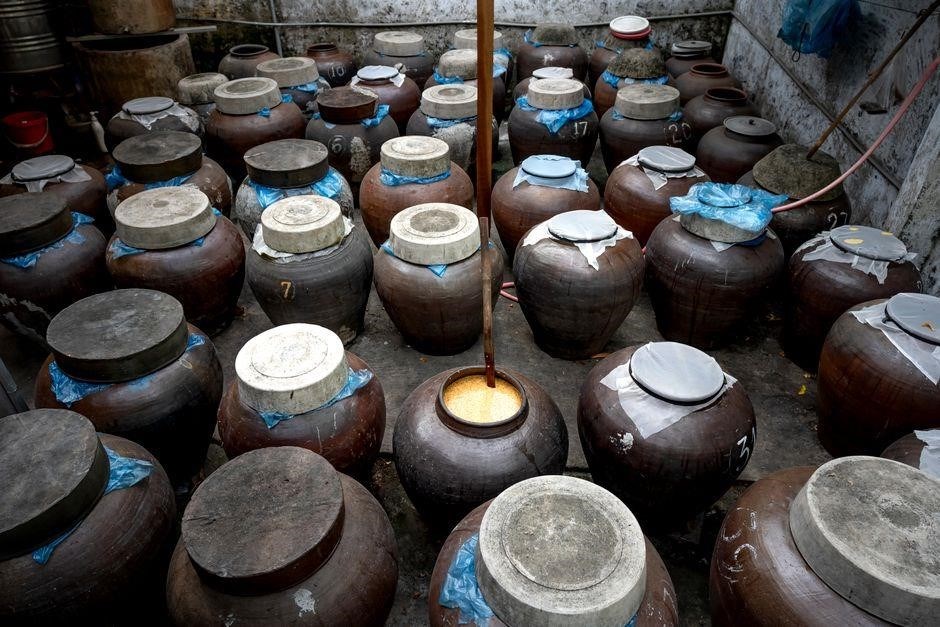
noma guide to fermentation
Redzepi’s philosophy centers on unlocking hidden flavors through controlled microbial activity. The guide blends Nordic precision with global techniques, emphasizing koji, kombucha, and lacto-ferments to elevate everyday ingredients into complex, aromatic profiles. Each batch is monitored for safety. now
Origins in Nordic Culinary Tradition
Noma’s fermentation narrative is deeply rooted in the austere yet inventive spirit of Nordic gastronomy. The guide traces how centuries of salt preservation, cold‑weather pickling, and the use of wild yeasts in traditional Scandinavian kitchens laid the groundwork for the restaurant’s modern experiments. Redzepi’s team harnesses this heritage by re‑introducing age‑old techniques—such as brining reindeer meat, fermenting rye‑based gravies, and crafting sea‑salt‑infused kombuchas—while simultaneously pushing boundaries with exotic substrates like black currant kombucha and kombucha‑infused garum. The book emphasizes that the Nordic climate, with its long, dark‑weather summers and brief, intense summers, naturally selected microbes that thrive in low temperatures, producing nuanced umami and subtle acidity. By marrying these indigenous microbes with the global repertoire of koji, miso, and lacto‑fermented vegetables, Noma creates a dialogue between the familiar and the avant‑garde, turning simple ingredients into complex flavor narratives that echo the region’s history of resilience and resourcefulness. The influence of the sea, the constant interplay between salt and water, and the reliance on seasonal produce are woven into every fermentation protocol. The guide also discusses how the traditional use of juniper‑infused brines and fermented fish sauces informs the modern kombucha‑garum hybrids. In practice, Noma’s fermentations are conducted in temperature‑controlled, airtight vessels that mimic the natural conditions of the Nordic fjords, ensuring a slow, deliberate development of flavor. Chefs monitor pH, temperature, aroma adjusting salt levels fermentation time to balance the umami with fruitiness that characterizes Noma’s signature dishes today
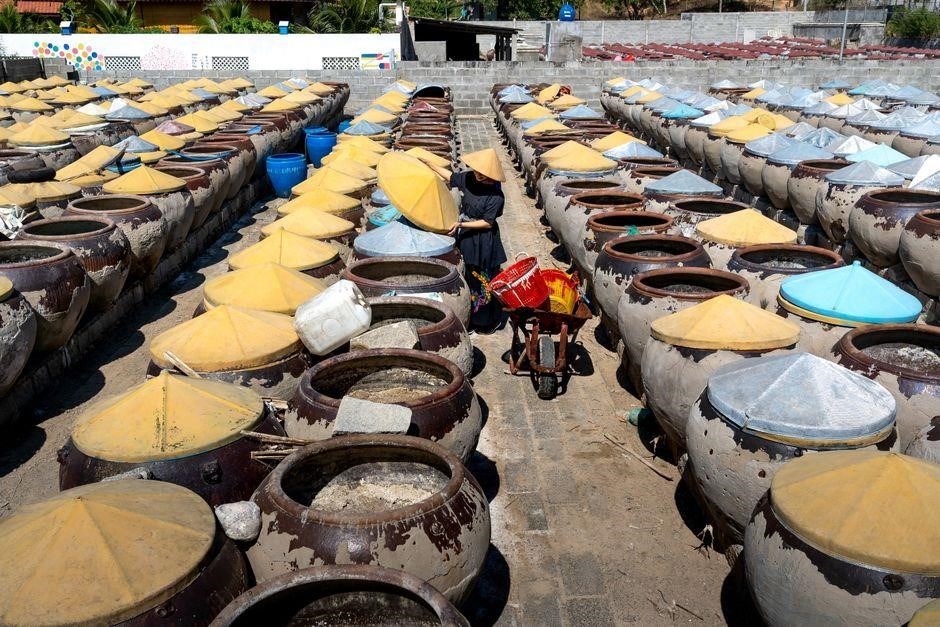
Key Fermentation Types Featured in the Guide
The guide spotlights koji, kombucha, shoyu, miso, vinegar, garum, lacto‑ferments, and black fruit/veg bases, each unlocking distinct umami layers. It blends Nordic precision with global microbes, turning simple ingredients into complex flavors rich.
Koji: The Foundation of Umami
In the Noma guide, koji is presented as the cornerstone of umami creation, bridging traditional Japanese techniques with Nordic innovation. The book details how Aspergillus oryzae molds are cultivated on rice or barley, then mixed with salt and water to produce a ferment that releases glutamates, nucleotides, and sugars. By inoculating simple grains, chefs can transform bland proteins into complex flavor profiles that resonate with the palate. The guide emphasizes precise temperature control, typically around 30–35 °C, to encourage optimal enzyme activity while preventing unwanted microbial growth. It also discusses the importance of selecting high‑quality, locally sourced grains to maintain consistency. Koji’s role extends beyond flavor; it also acts as a natural preservative, extending shelf life without artificial additives. The text includes case studies where chefs incorporated koji‑infused sauces into seafood, poultry, and vegetable dishes, achieving a depth of taste that is both familiar and surprising. Additionally, the guide offers troubleshooting tips for common issues such as mold contamination, uneven fermentation, and off‑flavors, underscoring the delicate balance required for successful koji production. By mastering koji, cooks can unlock a spectrum of umami that enriches every dish, reflecting Noma’s commitment to culinary excellence and sustainability. This philosophy encourages experimentation, honoring tradition while pushing culinary boundaries toward new sensory horizons.
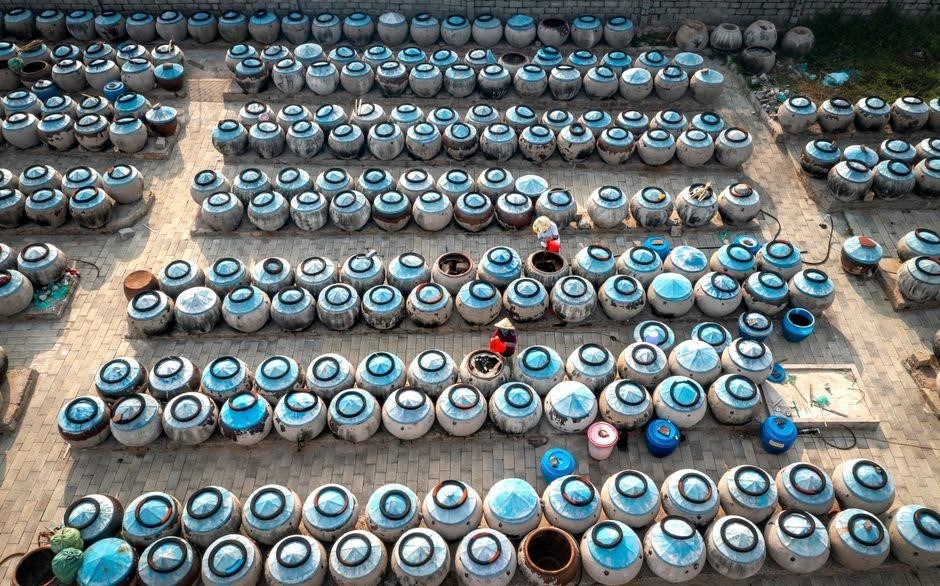
Methodology: From Concept to Plate
Redzepi’s method starts with a clear concept, selecting a base ingredient and desired flavor. He chooses a fermentation—koji, kombucha, or lacto—based on texture, acidity, and microbes. Hygiene controls ensure safety and consistency, then the product is integrated into dishes, enriching depth and complexity!
Step-by-Step Fermentation Processes
Redzepi’s guide outlines a meticulous sequence that transforms raw ingredients into umami‑rich elements. First, source high‑quality, seasonal produce—often local root vegetables or sea‑salted fish—ensuring minimal pesticide residue. Next, sterilize all equipment: jars, spoons, and work surfaces, then cool the vessels to the target temperature (typically 15–22 °C for lacto‑ferments, 20–25 °C for kombucha). Prepare the inoculum: for koji, inoculate steamed rice with Aspergillus oryzae spores; for kombucha, blend a SCOBY with sweetened tea; for lacto‑ferments, create a brine of 2–3 % salt. Combine the inoculum with the substrate, mixing gently to distribute microbes evenly. Seal the containers, leaving a small headspace to allow gas exchange, and store in a dark, stable environment. Monitor daily: check for off‑odors, mold growth, and temperature drift. After the initial 24–48 h, begin gentle stirring to prevent surface film and encourage uniform fermentation. Depending on the desired flavor profile, allow the batch to mature for 3–14 days; kombucha may need 7–10 days for optimal acidity, while lacto‑ferments often reach balance in 5–7 days. Conduct a taste test at the midpoint, adjusting salt concentration or adding fresh ingredients if needed. When the flavor profile meets the chef’s vision, strain or press the product, then refrigerate to halt further microbial activity. Finally, integrate the fermented component into the dish, using it as a sauce, seasoning, or textural contrast, thereby completing the journey from concept to plate. Each batch is living experiment, revealing flavors that wow diners.
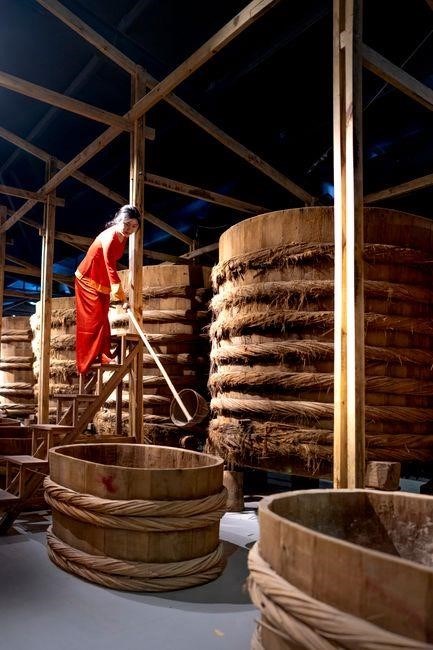
Ingredient Selection and Sourcing
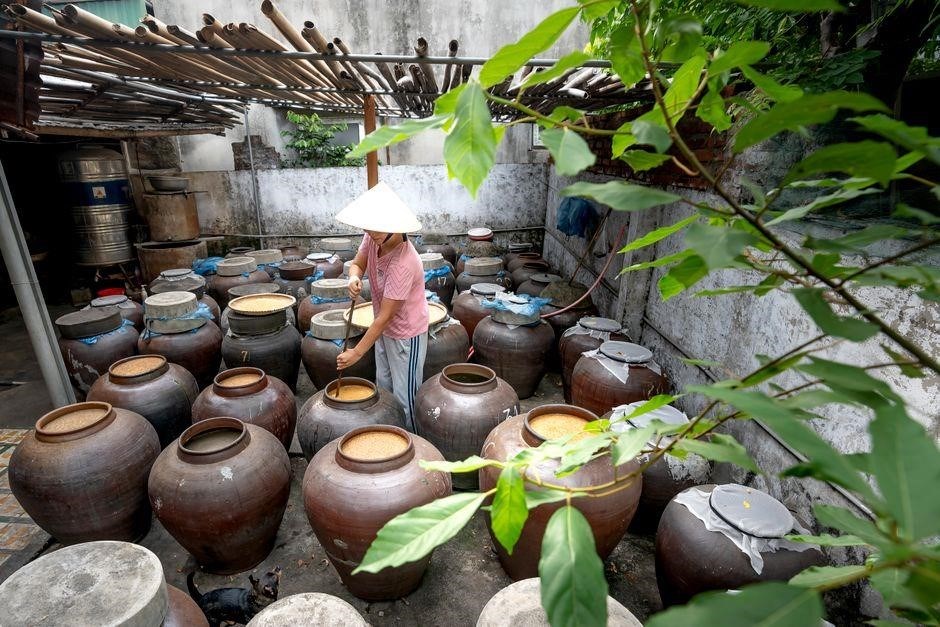
Redzepi prioritizes seasonality, sourcing local roots, sea‑salted fish, and wild‑foraged fungi. He selects unwashed, pesticide‑free produce, then sterilizes jars. Microbial diversity is key: kombucha SCOBYs, koji spores, and lacto‑ferment cultures are sourced from trusted suppliers or cultivated in‑house!!
Seasonal and Local Microbial Sources
Redzepi’s fermentation ethos hinges on sourcing microbes that mirror the regional climate and culinary heritage. In spring, he harvests wild kombucha SCOBYs from local breweries, pairing them with freshly harvested barley and rye to create a light, citrus‑infused starter. Summer brings an abundance of sea‑salted kelp, which he uses to inoculate kombucha and koji, infusing the cultures with briny, umami notes that echo the Danish coast. Autumn’s root vegetables—carrots, beets, and parsnips—are selected for their natural sugars and are fermented with local lacto‑ferment cultures harvested from communal pickling jars, ensuring a diverse, terroir‑specific lactic acid profile. Winter’s focus shifts to preserved fish, where he employs kombucha and koji to re‑activate dormant enzymes, producing a subtle, savory depth in pickled herring and fermented cod. Throughout the year, Redzepi collaborates with regional farmers to collect wild yeast strains from fruit skins and mushroom spores, integrating them into kombucha and miso fermentations. He also sources salt from the Øresund sea, which contains a unique mineral matrix that supports robust microbial growth. By aligning microbial selection with seasonal availability, he guarantees that each fermentation is a living testament to the local ecosystem, reinforcing Noma’s commitment to sustainability and flavor authenticity. The guide also details how to monitor pH, temperature, and oxygen levels, ensuring each batch reaches optimal flavor thresholds before serving, thus marrying science with culinary artistry. Enjoy responsibly share now friends.
Safety and Hygiene Protocols
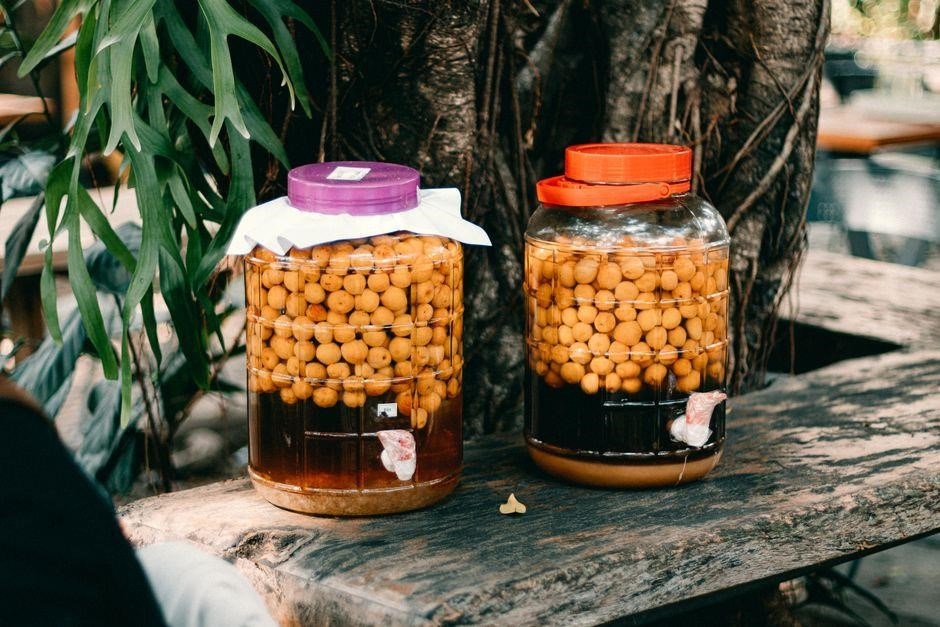
Redzepi mandates sterilized vessels, temperature logs, pH strict checks. All utensils are boiled, and hands are washed with antimicrobial soap. Fermentation vessels are sealed, monitored for gas build‑up, and stored in cool, dark environments to prevent mold and pathogens!!. Follow safe fermentation guidelines!!
Preventing Contamination and Spoilage
Redzepi’s guide stresses meticulous sanitation. All fermentation vessels are sterilized with a 5‑minute boil or 70 % isopropyl solution, then rinsed with filtered water. Work surfaces are wiped with 70 % ethanol, and hands are washed with antimicrobial soap for at least 30 seconds. Ingredients are sourced from trusted suppliers; produce is inspected for bruises or decay before use. During fermentation, the pH is recorded daily; a drop below 4.6 signals acidification that inhibits pathogenic growth. Temperature is logged hourly; ideal ranges are 15–22 °C for lacto‑ferments and 25–30 °C for kombucha, ensuring optimal microbial activity while preventing spoilage. Sealed containers are checked for gas buildup; a sudden pressure rise indicates unwanted fermentation and must be vented. The use of non‑reactive containers—glass, stainless steel, or food‑grade plastic—prevents metal ion leaching that can alter flavor and safety. For koji, the substrate is kept at 30 °C with 80 % humidity; any deviation can foster mold growth. Redzepi recommends a “first‑in, first‑out” system for batches, rotating stock to avoid prolonged exposure. All utensils are cleaned with a hot, soapy solution and rinsed with sterile water. The guide also advises using a clean, dry cloth to wipe surfaces, avoiding lint that can introduce contaminants. Finally, a strict “no touch” policy is enforced: only trained staff handle fermentations, and items are kept out of the fermentation area today. These layered protocols collectively reduce contamination risk, preserve flavor integrity, and ensure safe, high‑quality fermented products for Noma’s menus. Home fermenters can safely produce dishes echoing Noma depth today.

Culinary Applications Across Menus
Noma’s menu showcases fermented elements as flavor enhancers, from kombucha‑marinated fish to koji‑infused sauces. The guide explains how to layer umami, acidity,and texture, turning simple ingredients into complex, aromatic dishes that reflect seasonal terroir.
Integrating Fermented Elements into Modern Cuisine
In the Noma guide, the chef explains that fermented ingredients act as flavor amplifiers rather than standalone components. By marinating proteins in kombucha or miso, chefs can reduce cooking time while adding depth. Koji is used to deconstruct starches, producing sweet‑savory umami that can replace stock or sauce bases. Lacto‑fermented vegetables, when pureed, provide a bright acidity that brightens sauces and balances rich gravies. The guide stresses the importance of timing: a short kombucha soak of 12 hours yields a subtle effervescence, whereas a 48‑hour soak intensifies tannins and sweetness. When incorporating vinegar, the chef recommends a 2:1 ratio of vinegar to water to avoid overpowering the dish. The text also highlights the use of fermented salt, which can be sprinkled on roasted root vegetables to enhance caramelization. In modern plating, a drizzle of kombucha reduction can serve as a glaze, while a sprinkle of koji‑infused sea salt adds a crunchy umami finish. The guide encourages experimentation with fermentation as a tool for texture, color, and aroma, turning everyday ingredients into memorable culinary experiences.
Chefs are encouraged to experiment with fermentation ratios, noting that a 1:1 mix of kombucha and water yields a mellow glaze, while a 3:1 mix gives a sharper finish. Kombucha can also pickle cucumbers, adding tangy crunch to smoked salmon. Miso blended into béchamel adds depth without heaviness. The guide stresses gradual addition, tasting each step to avoid overpowering the dish. and aroma, delightfully bright for diners.!
Equipment Essentials for Home Fermenters
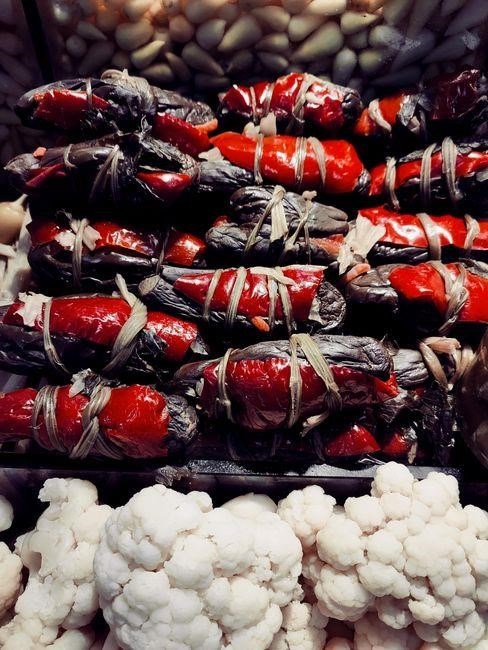
Essential gear includes a glass jar with a silicone seal, a weighted lid, a small airlock, and a digital thermometer. A clean, non‑reactive container, a pH meter, and a scale for measuring salt are vital. Keep everything sterilized to ensure safe, flavorful fermentations.Use a cooker for rapid ferment.!!
Tools and Containers for Optimal Fermentation
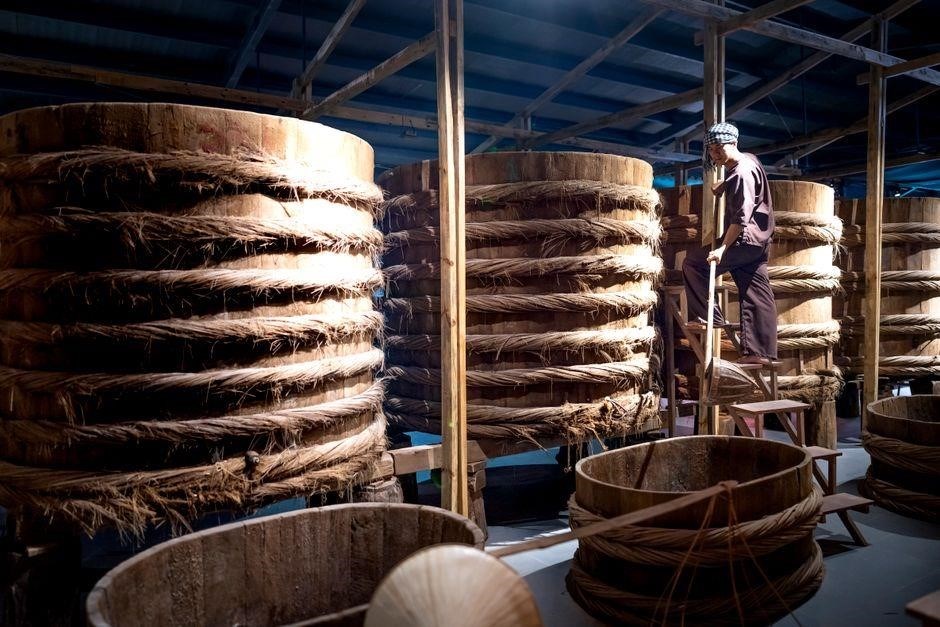
For home fermenters, the Noma guide recommends a selection of durable, non‑reactive vessels and precision tools to maintain consistency and safety. The guide blends Nordic precision with global techniques, emphasizing koji, kombucha, and lacto-ferments to elevate everyday ingredients into complex, aromatic profiles. Each batch is monitored for safety. now
A 1‑liter glass jar with a silicone seal and a weighted lid allows for controlled air exchange while preventing contamination.
A small, calibrated airlock is essential for monitoring CO₂ buildup during lactic or kombucha fermentations.
A digital thermometer and a pH meter are indispensable for tracking temperature and acidity, ensuring the microbial environment stays within safe thresholds.
A kitchen scale with 1‑gram precision helps in accurately measuring salt and sugar ratios, critical for both sour and sweet fermentations.
Stainless‑steel or ceramic fermentation crocks are ideal for larger batches, as they resist warping and provide a stable surface for starter cultures.
A clean, heat‑proof silicone mat protects countertops from splashes and makes cleanup effortless.
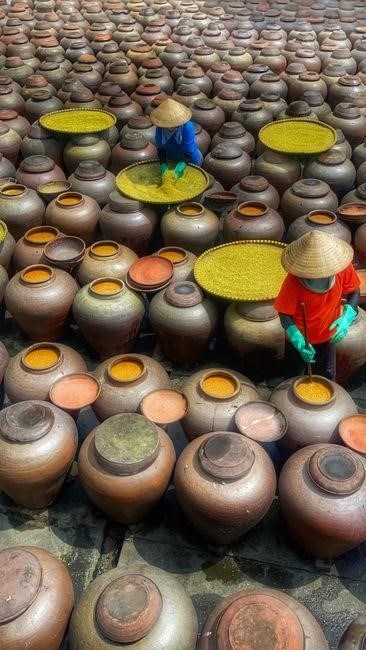
For koji production, a dedicated rice cooker or a low‑temperature oven set to 30–35 °C is required to promote Aspergillus oryzae growth without drying the substrate.
Finally, a reusable, food‑grade silicone lid with a built‑in vent ensures that fermentation gases can escape without introducing contaminants.
By investing in these tools, fermenters can replicate the conditions that underpin Noma’s flavor rich deep profiles.
By investing in these tools, fermenters can replicate the meticulous conditions that underpin Noma’s celebrated flavor profiles.